Fire Safety
Blog
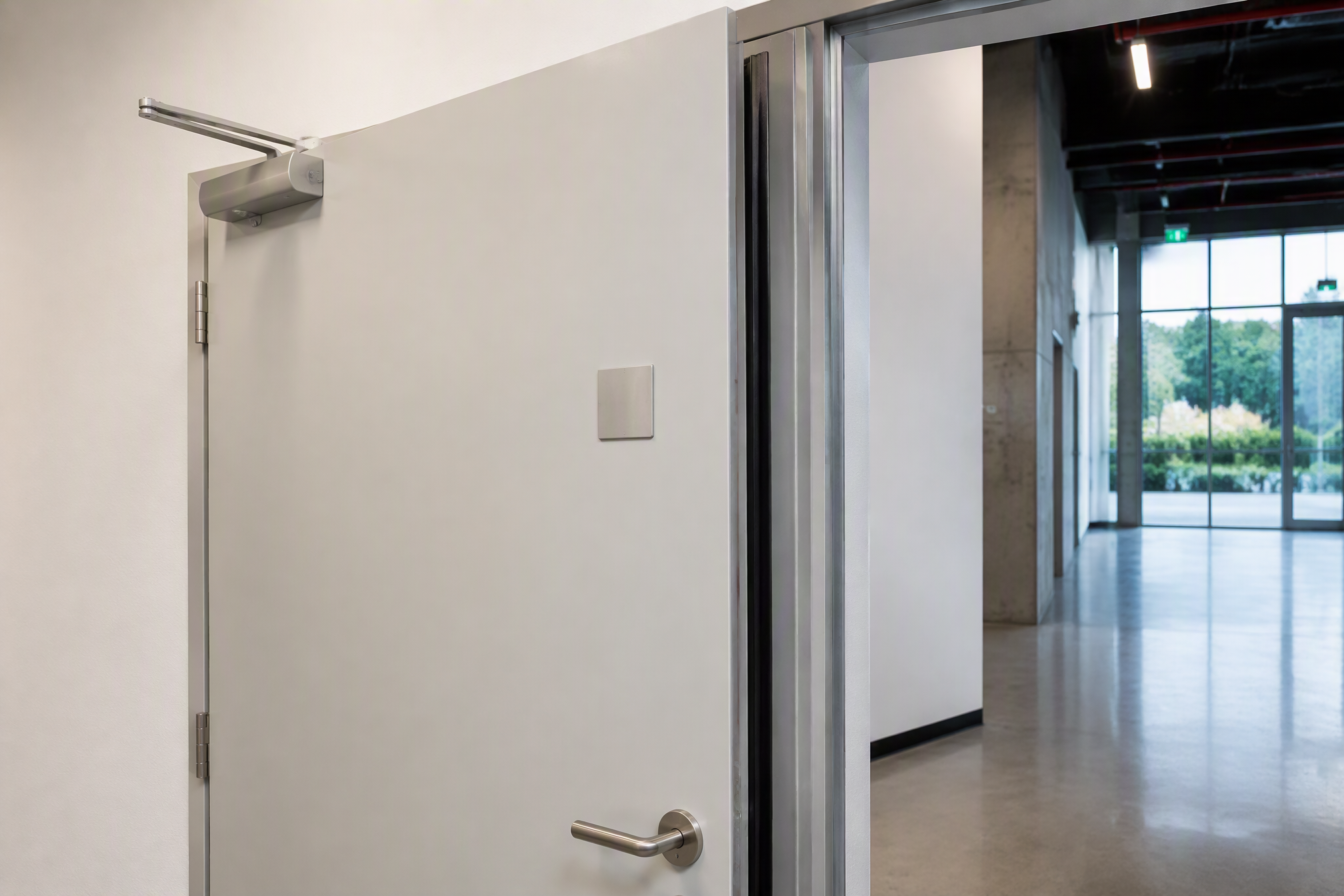
AS 1905.1 Fire Door Inspection Requirements: The Complete NSW Compliance Guide for Building Owners and Strata Committees
Fire doors are one of the most common AFSS failure points in NSW buildings. Here's what AS 1905.1 requires, what inspectors actually check, and how to keep your building compliant in 2026.
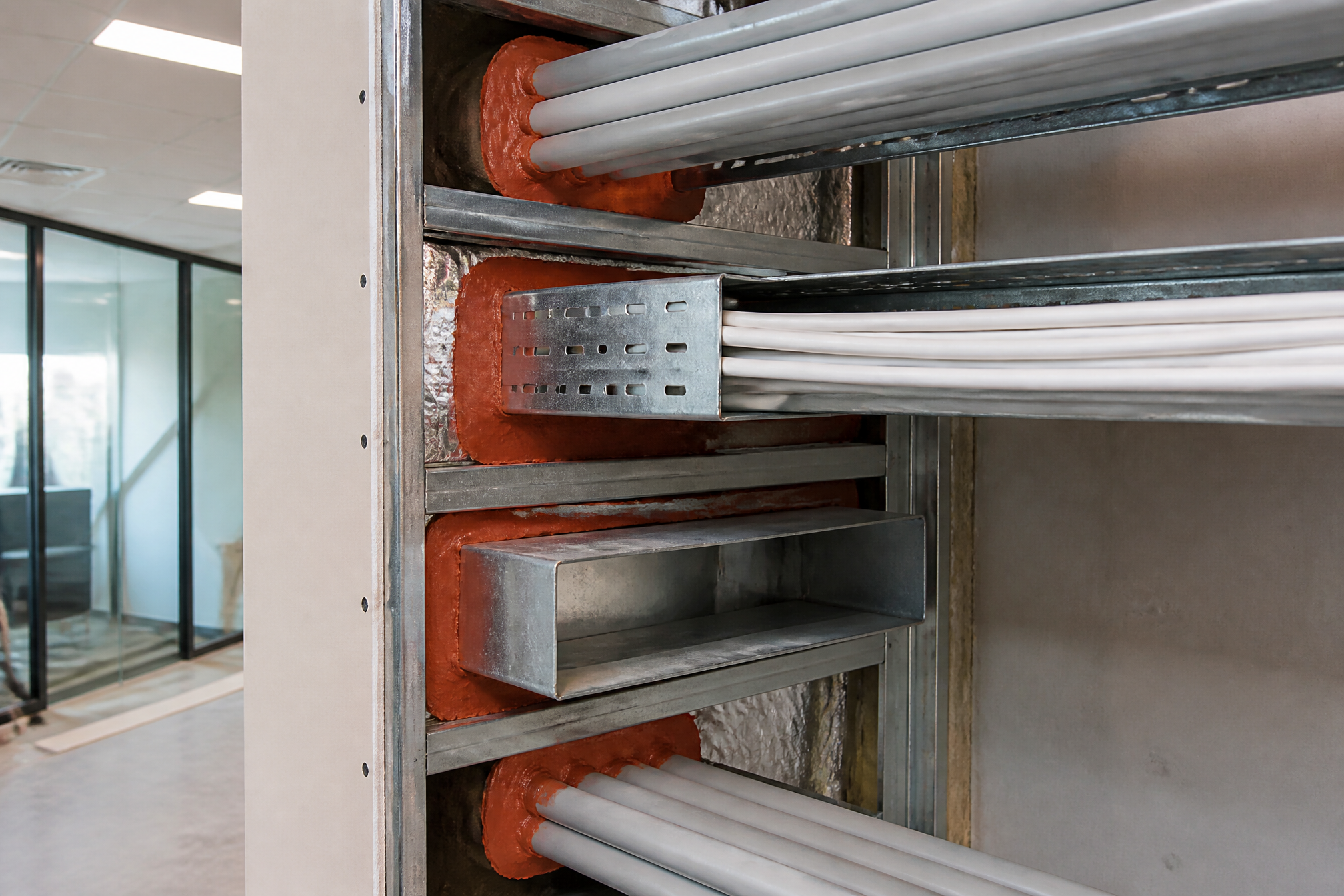
What Is Passive Fire Protection and How It Affects Your Annual Fire Safety Statement in NSW
Passive fire protection is the silent side of building compliance — fire-rated walls, doors, dampers, and seals that most owners never think about. Here's how it works, what NSW law requires, and how it directly affects your Annual Fire Safety Statement.
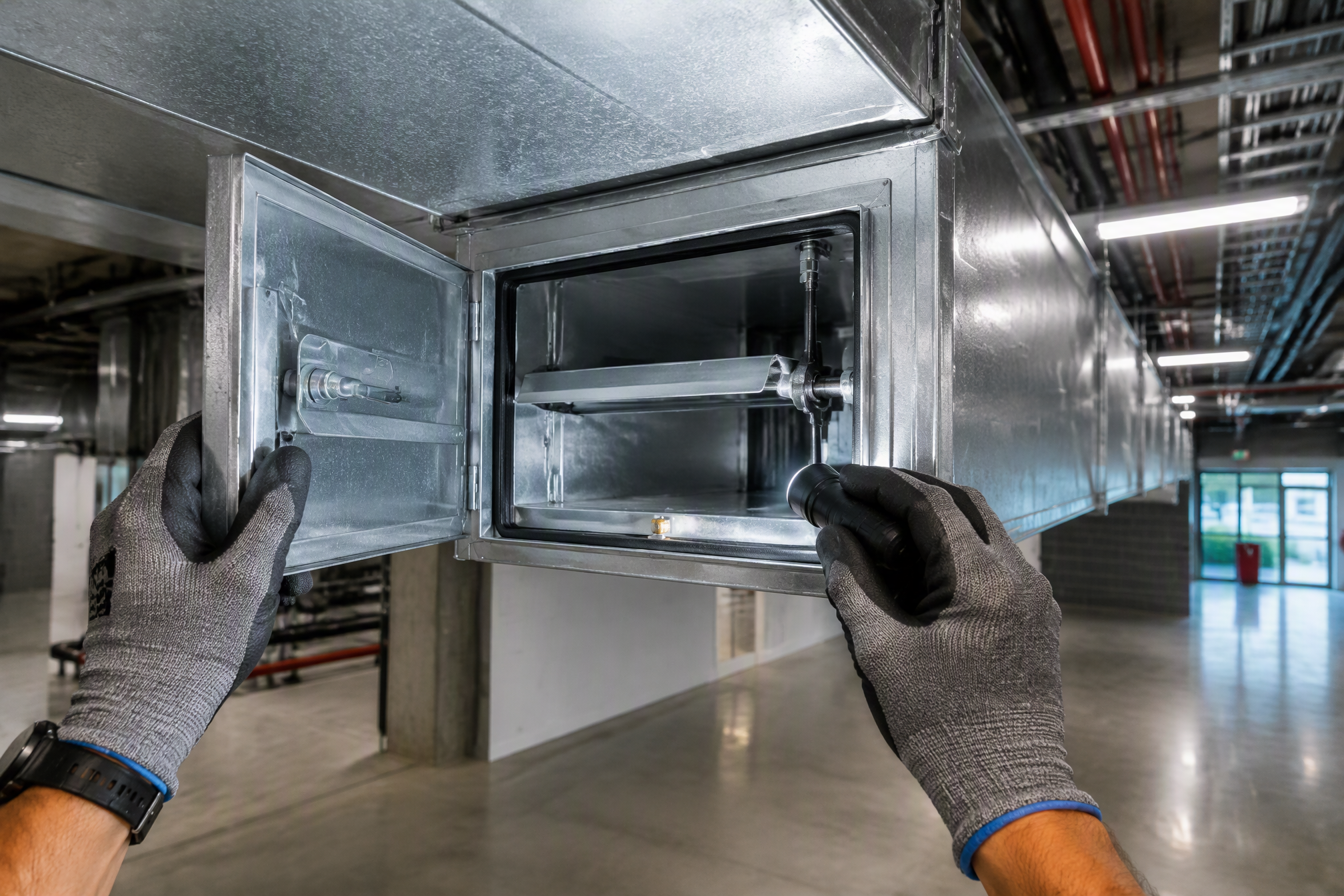
Fire Damper Inspection in NSW: The Complete Compliance Guide for Building Owners and Strata Committees
Fire dampers are essential fire safety measures under NSW law. Here's what AS 1851-2012 requires, how the 20% rolling inspection cycle works, and what it means for your Annual Fire Safety Statement in 2026.
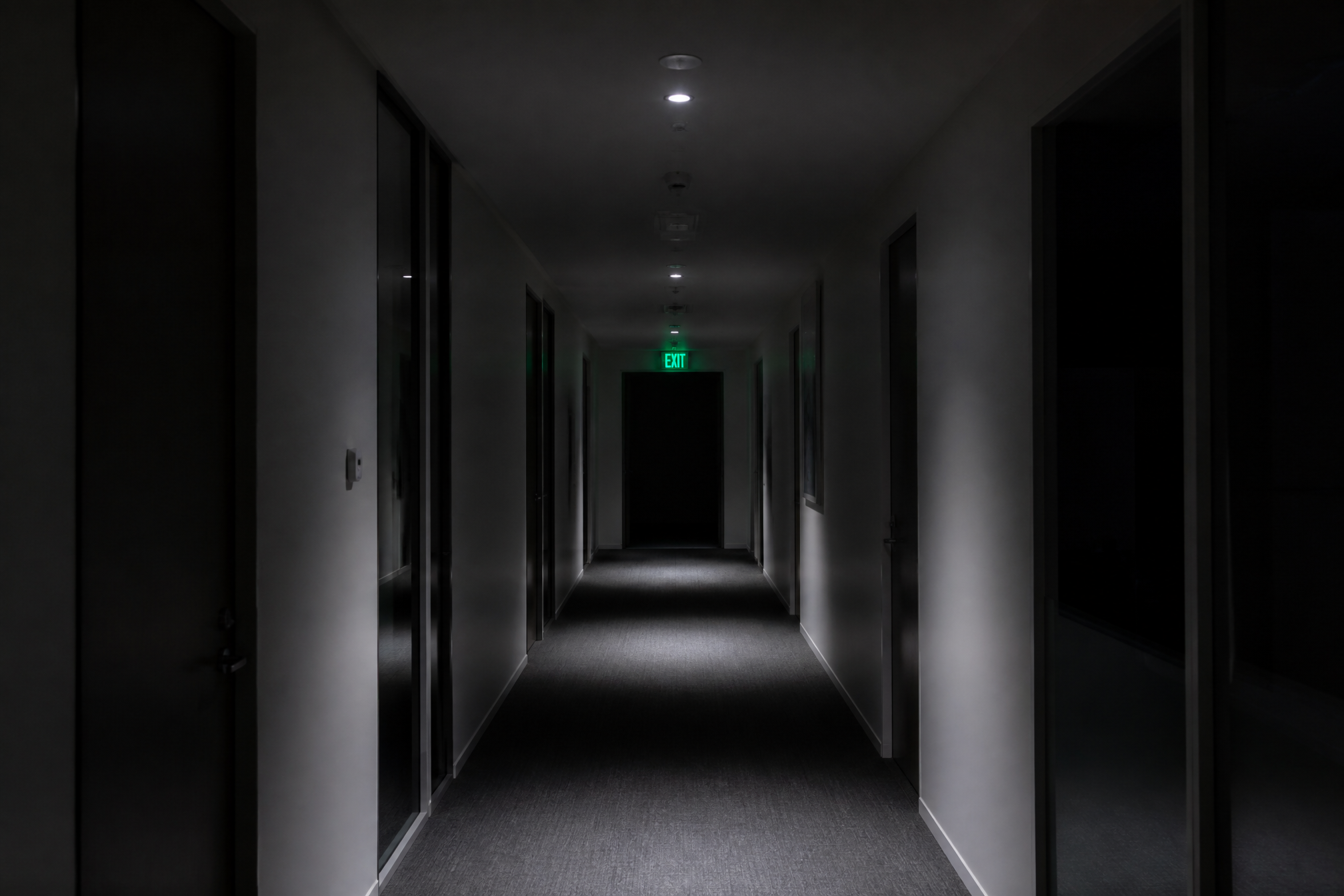
Why Australian Emergency Lights Must Run for 90 Minutes — AS/NZS 2293 Explained for NSW Building Owners
Emergency lights must run for 90 minutes under AS/NZS 2293. Here's where the number comes from, why it matters, and what NSW building owners must do to stay compliant with their Annual Fire Safety Statement.
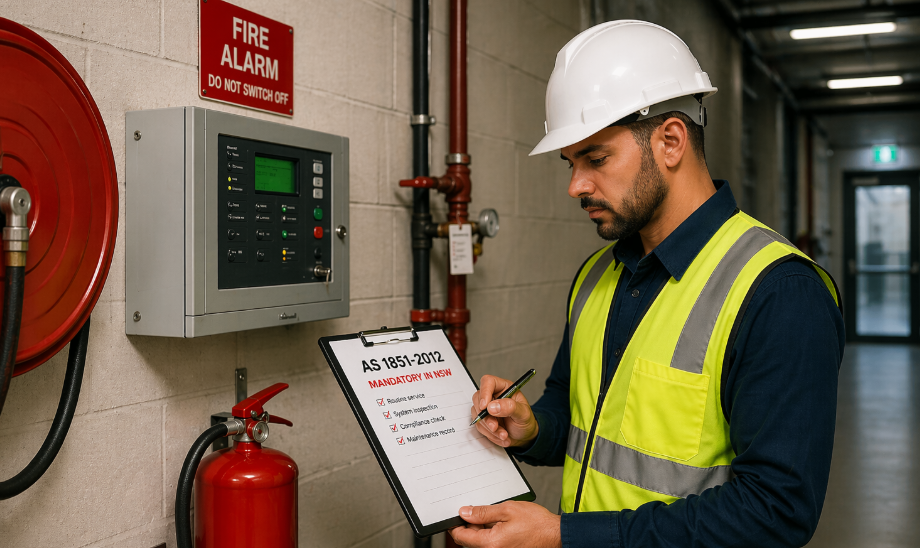
AFSS Sydney — How to Get Your Annual Fire Safety Statement Sorted Fast
Getting your AFSS sorted in Sydney doesn't have to be complicated. Here's what building owners across Greater Sydney need to know — from finding an accredited assessor to lodging with council, with real pricing and timelines.
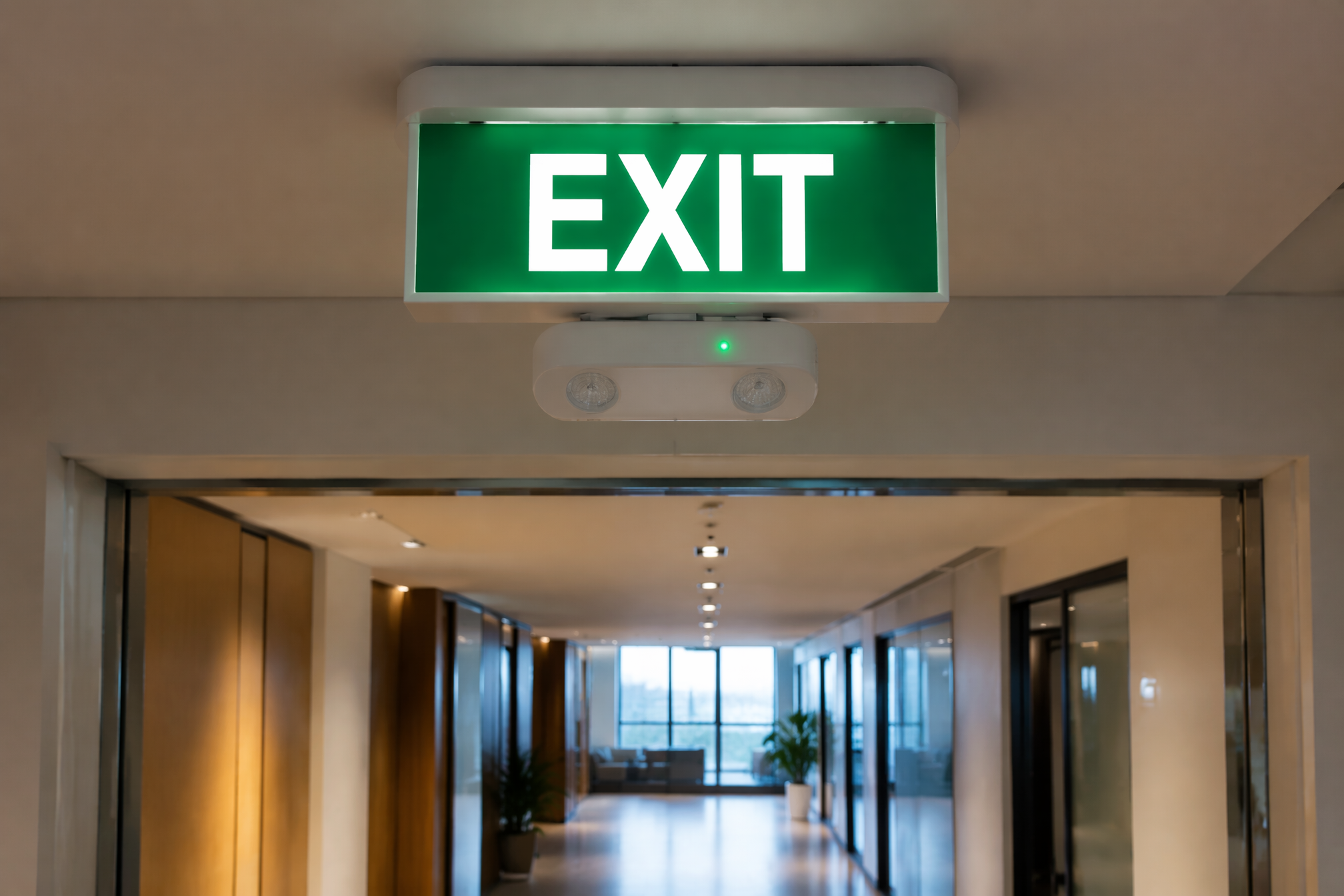
Self-Contained vs Central Battery Emergency Lighting: Which System Is Right for Your Western Sydney Building?
Choosing between self-contained and central battery emergency lighting affects your upfront cost, ongoing maintenance under AS/NZS 2293, and your AFSS certification. Here's how to decide which system suits your Western Sydney building.
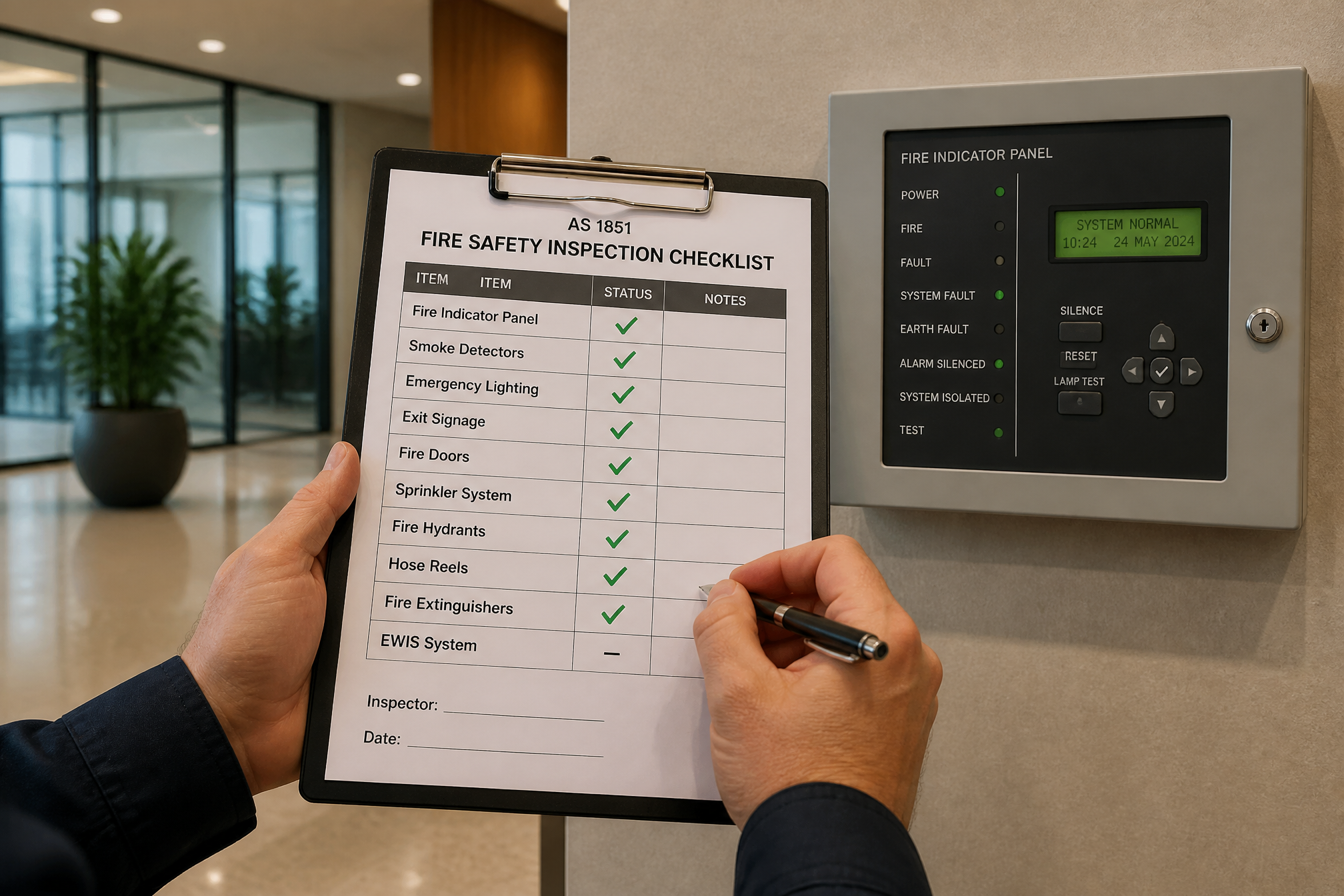
Commercial Building Fire Safety Inspection Checklist: What Assessors Really Look For During Your AFSS
What does an Accredited Practitioner (Fire Safety) actually look for during your Annual Fire Safety Statement inspection? Here's the complete checklist NSW building owners need to prepare for active systems, passive measures, AS 1851 records, and more.
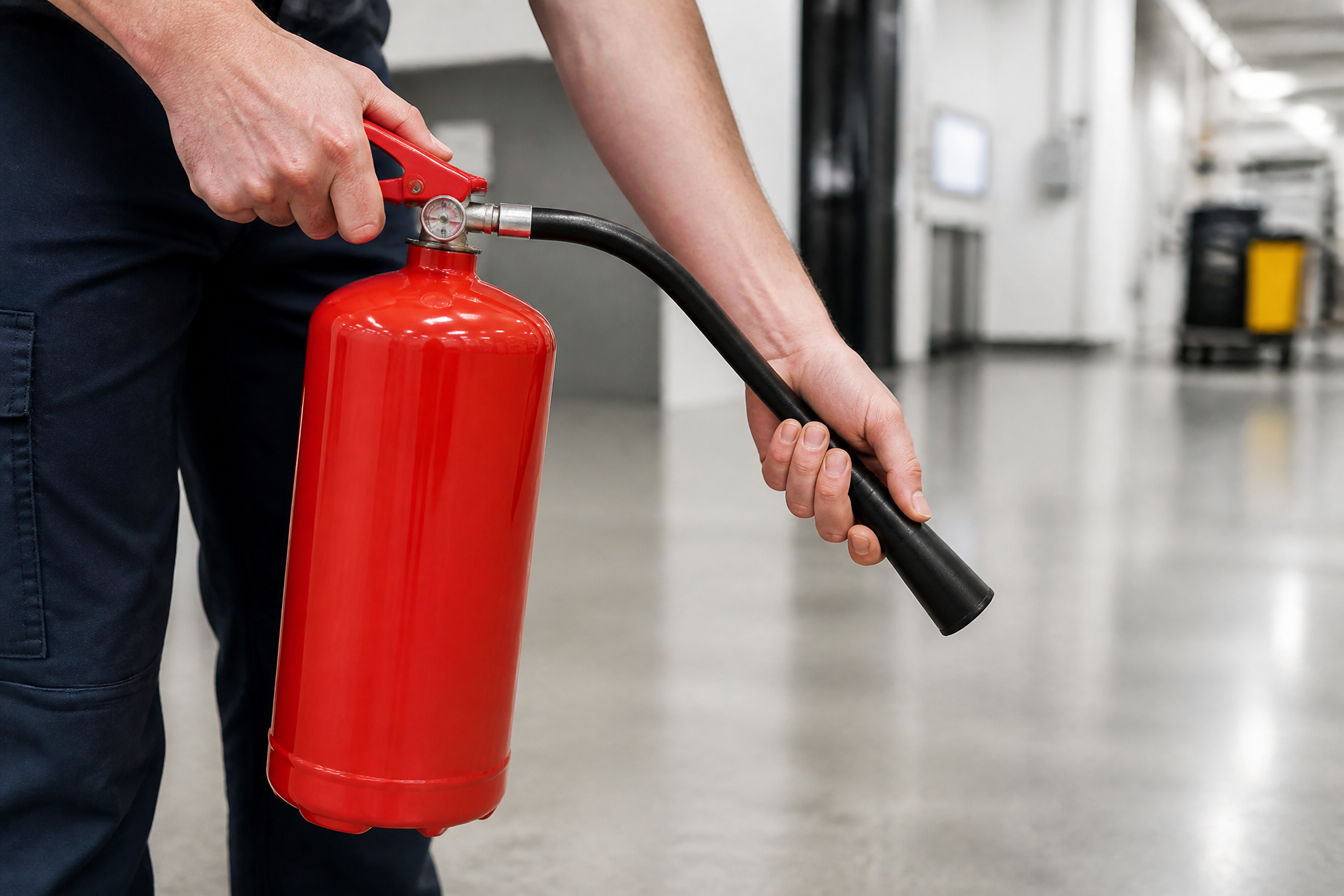
How to Use a Fire Extinguisher Correctly: The PASS Method Step by Step
Learn the PASS method for using a fire extinguisher correctly — Pull, Aim, Squeeze, Sweep. Plus which extinguisher type for each fire class, and why NSW building owners must ensure occupants are trained under their AFSS obligations.
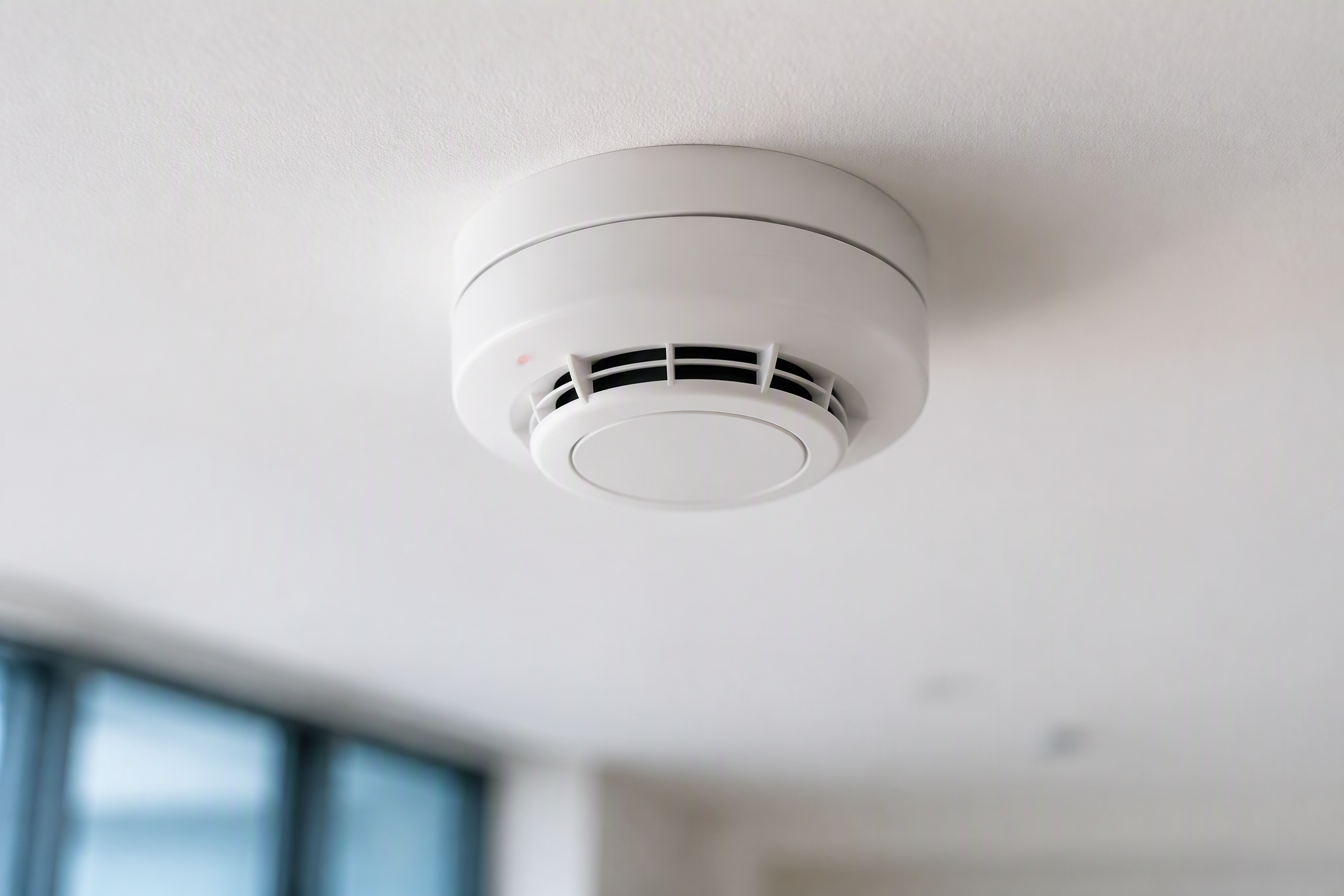
Photoelectric vs Ionization Smoke Detectors: What NSW Building Owners and Strata Committees Need to Know
Photoelectric vs ionization smoke detectors: NSW law is clear, but many buildings still have the wrong type installed. Here's what building owners and strata committees must do to stay AFSS-compliant
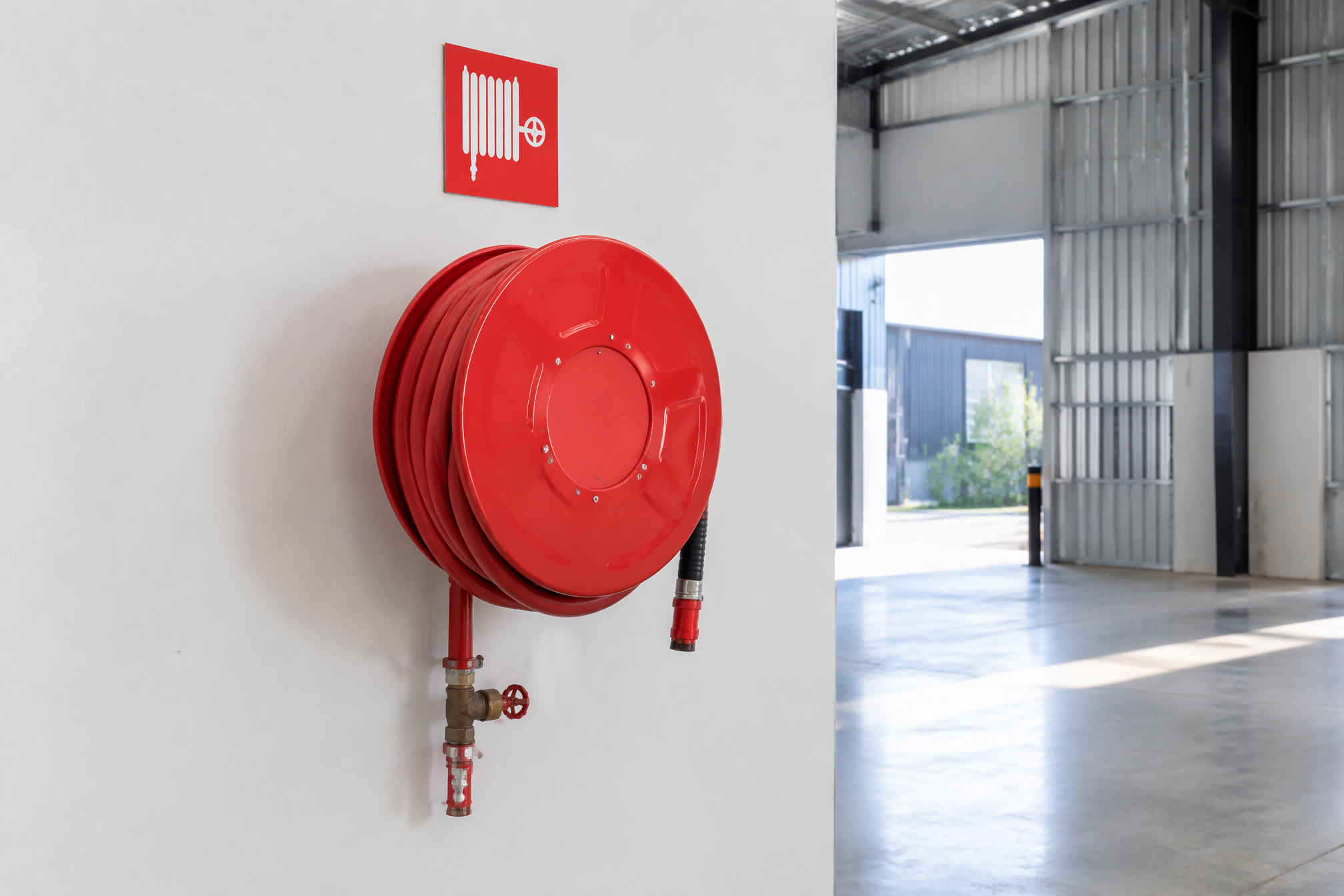
Fire Hose Reel Compliance Standards in Australia: The Complete NSW Building Owner's Guide
Fire hose reel compliance in Australia isn't optional — AS 2441 sets the installation rules and AS 1851 governs ongoing servicing. Here's what NSW building owners must do to stay compliant and keep their AFSS valid in 2026.
What Is a Fire Safety Schedule in NSW? A Complete Guide for Building Owners and Strata Committees
The Fire Safety Schedule is the single most misunderstood document in NSW building compliance. Here's what it is, what it must contain, and how it connects to your Annual Fire Safety Statement in 2026.

Avoiding the 5 Most Common AFSS Pitfalls…and how to breeze through your next annual sign-off
Missed log-book entries, padlocked exits and the wrong sign-off can all sink your Annual Fire Safety Statement. Learn the five mistakes we see most—and the quick fixes that keep you compliant.
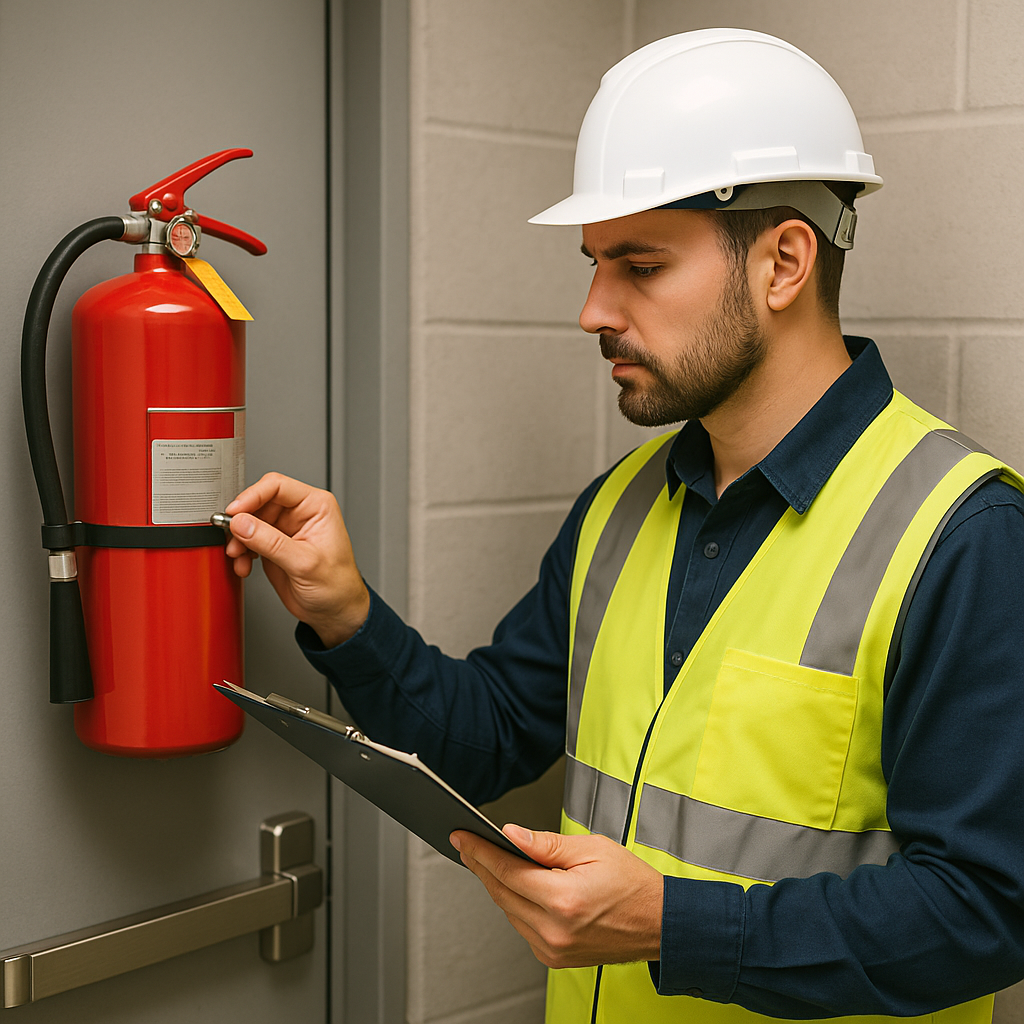
What is an Annual Fire Safety Statement
An Annual Fire Safety Statement (AFSS) proves every essential fire-safety measure in your NSW building is inspected, tested and maintained. Learn deadlines, paperwork and compliance tips