Fire Safety
Blog
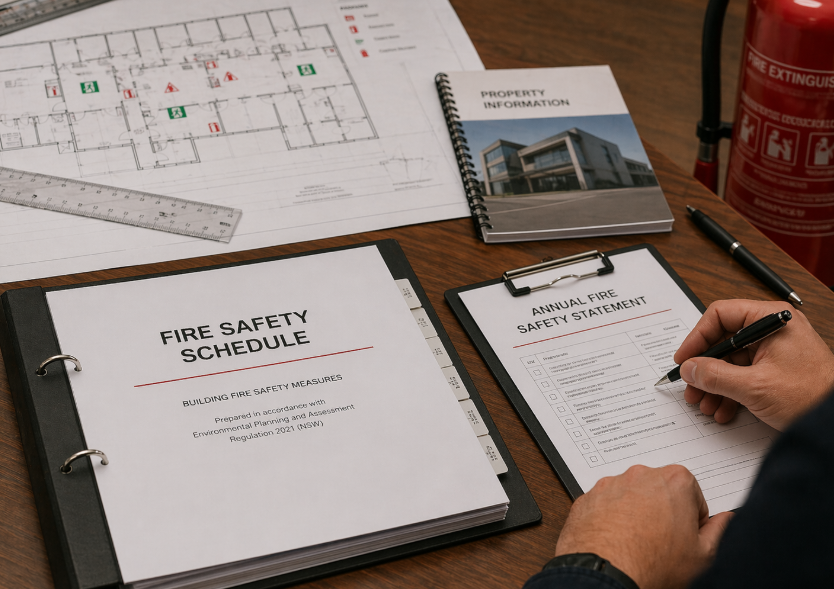
Fire Safety Schedule vs Annual Fire Safety Statement: The Difference Every NSW Building Owner Needs to Know
A Fire Safety Schedule and an Annual Fire Safety Statement are two different documents that work together. The schedule lists what fire safety measures your building must have, the AFSS confirms they've been inspected. Here's how they connect and why confusing them costs NSW building owners time and money.
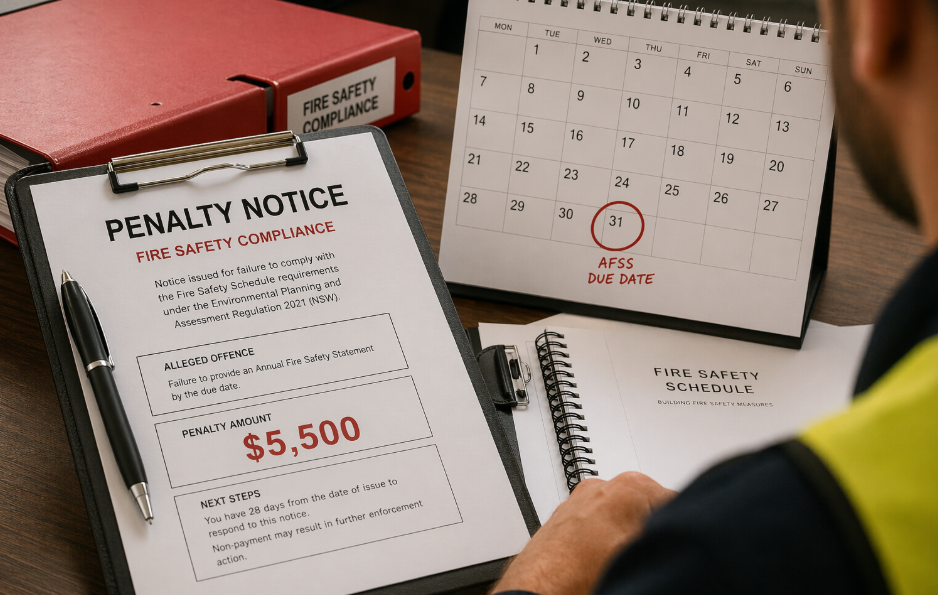
What Happens If You Miss Your AFSS Deadline? NSW Penalties, Fines & Real Consequences Explained
From 13 February 2026, AS 1851-2012 is mandatory for every NSW building that lodges an AFSS. Here's what Western Sydney building owners must do now.
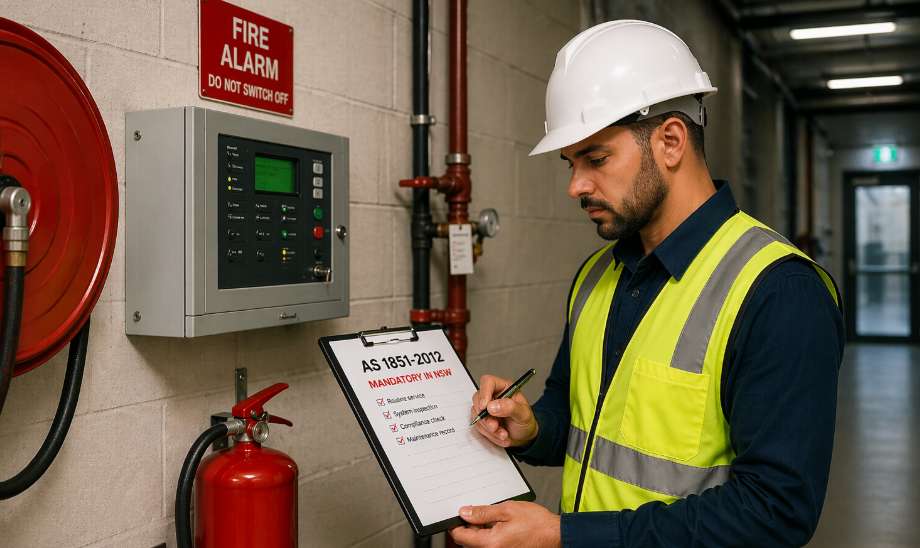
AS 1851-2012 is Now Mandatory in NSW: What Every Building Owner Needs to Know
From 13 February 2026, AS 1851-2012 is mandatory for every NSW building that lodges an AFSS. Here's what Western Sydney building owners must do now.

Avoiding the 5 Most Common AFSS Pitfalls…and how to breeze through your next annual sign-off
Missed log-book entries, padlocked exits and the wrong sign-off can all sink your Annual Fire Safety Statement. Learn the five mistakes we see most—and the quick fixes that keep you compliant.
What is an Annual Fire Safety Statement
An Annual Fire Safety Statement (AFSS) proves every essential fire-safety measure in your NSW building is inspected, tested and maintained. Learn deadlines, paperwork and compliance tips

Who can sign an Annual Fire Safety Statement?
Only FPAS-accredited Fire Safety Assessors (or a council-approved “competent practitioner”) can sign your Annual Fire Safety Statement. Learn the two legal pathways and how to double-check credentials in 30 seconds.